Explore The Last Green Valley
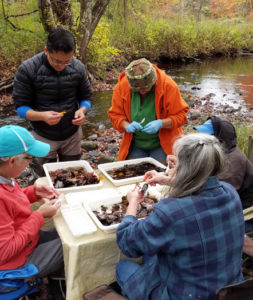
What Is The Last Green Valley?
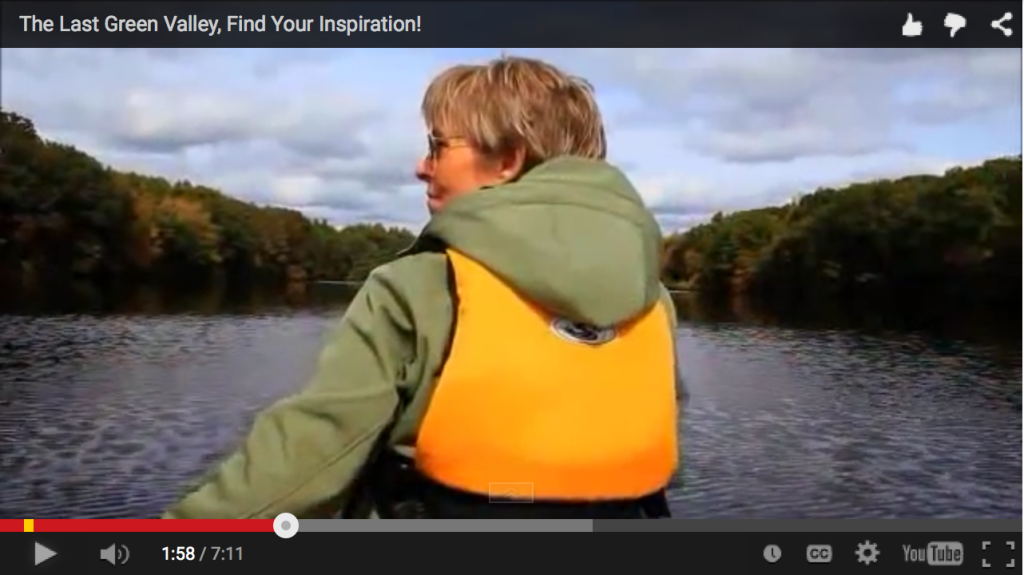
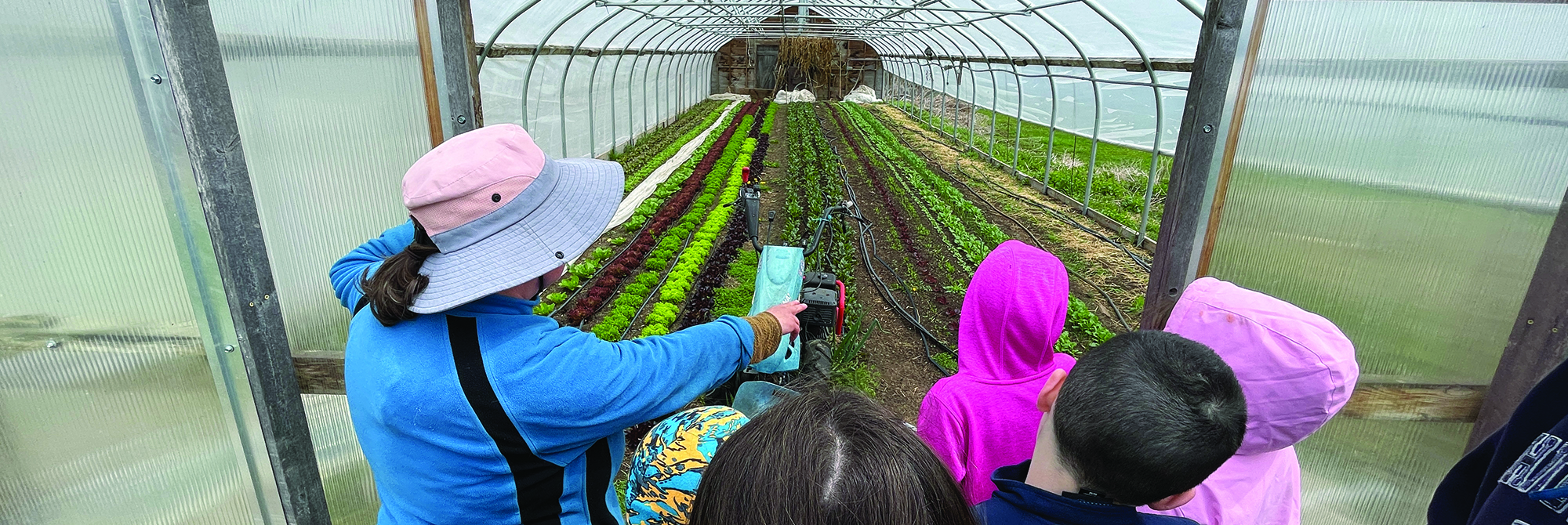
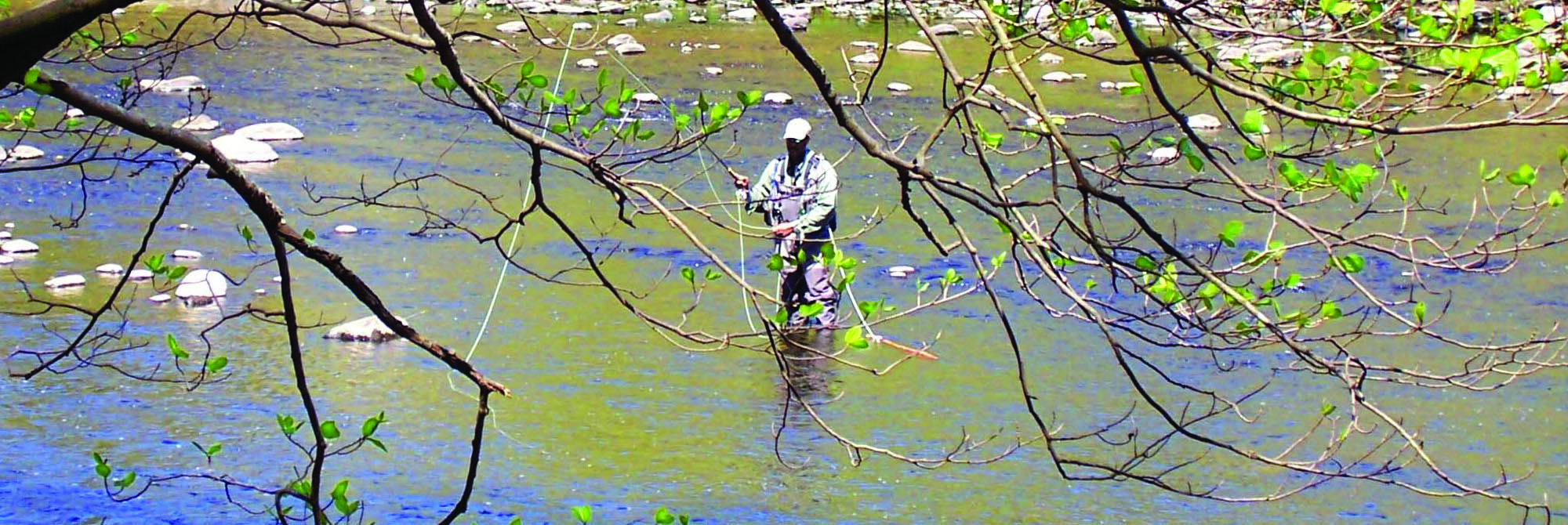
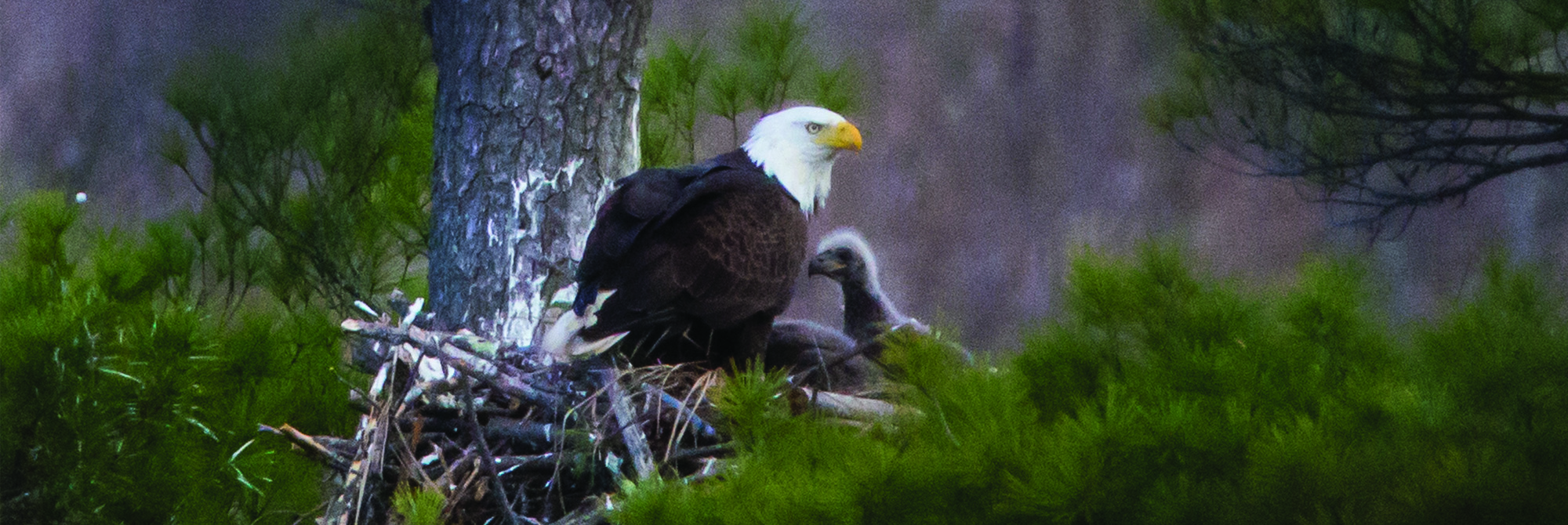
The Last Green Valley is green by day and dark by night. We are a National Heritage Corridor with a rich history in a surprisingly rural landscape. With 84% forest and farm, we are the last swath of dark night sky in the coastal sprawl between Boston and Washington DC.
The Last Green Valley, Inc. (TLGV) works for you in the National Heritage Corridor. Together, we can care for it, enjoy it and pass it on!

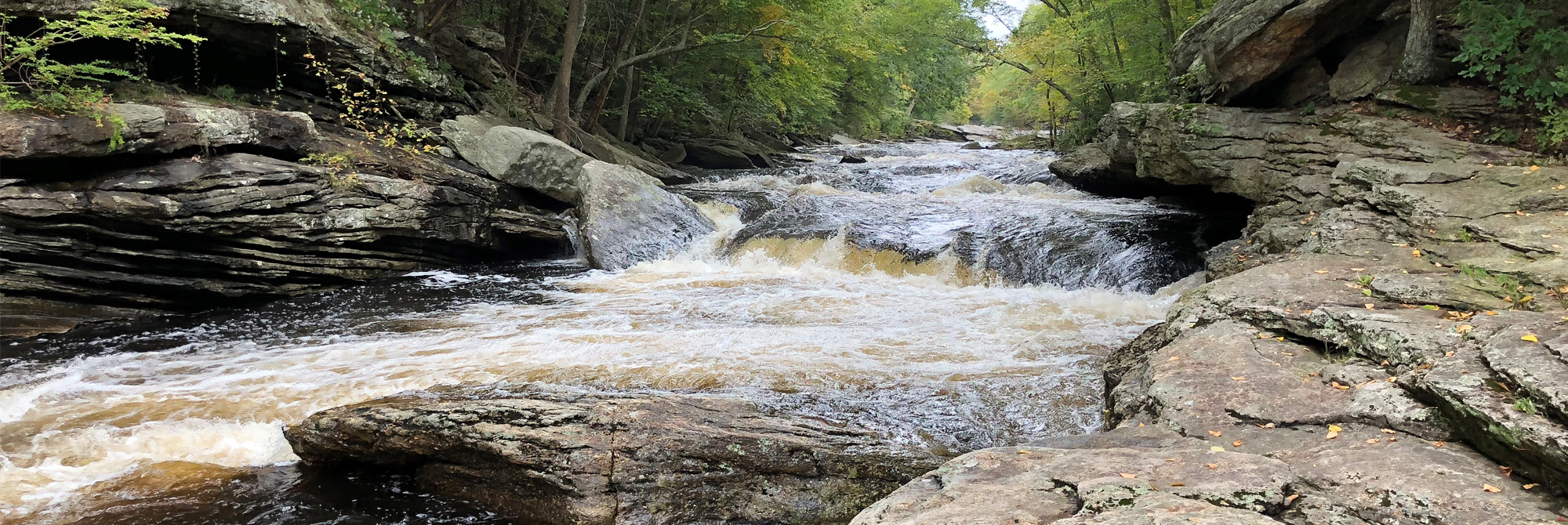
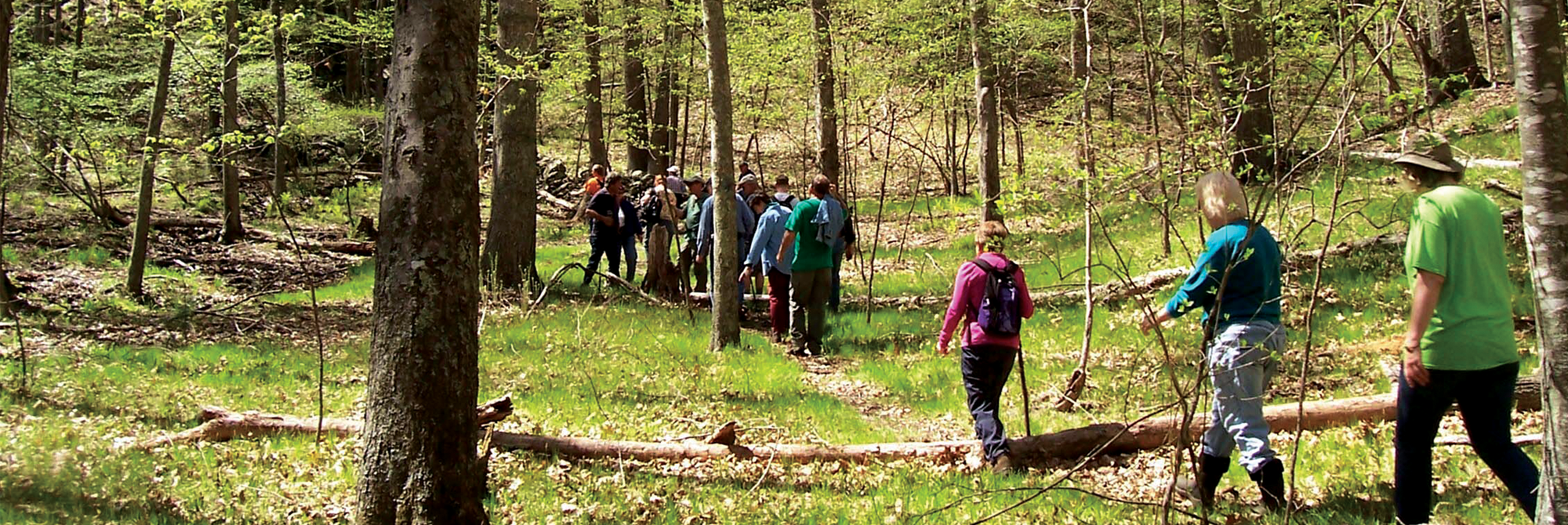
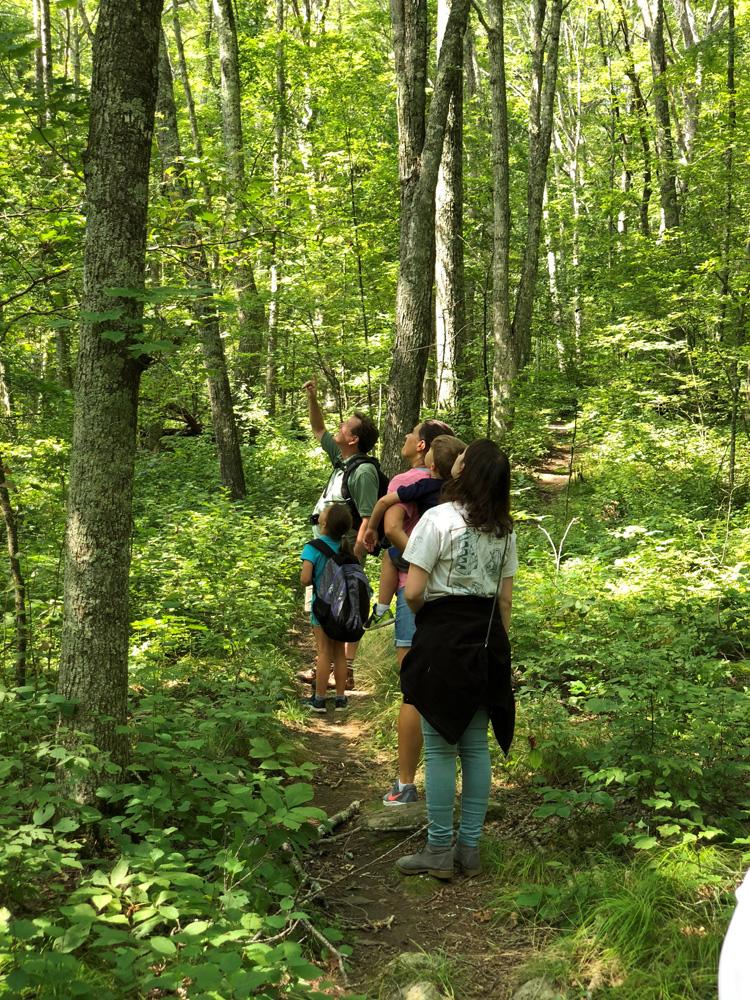
A Winter Hike in The Last Green Valley

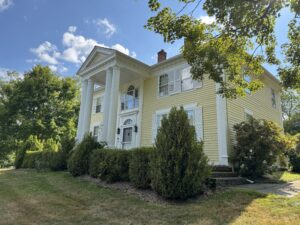
Join Us May 9 for TLGV’s Annual Meeting
TLGV will hold its annual Meeting May 9 at the historic Church Farm property. 11 am: arrive and enjoy the…
TLGV Welcomes its Next Executive Director
The Last Green Valley, Inc. (TLGV) is pleased to announce the appointment of Francesca Kefalas as its next executive director.…
TLGV Seeks New Financial Administrator
The Last Green Valley is seeking a Finance Administrator to handle all financial activities for the non-profit organization. The Finance…
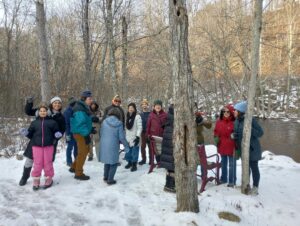
Join Ranger Marcy’s Second Saturday Stroll on the Moosup Valley State Trail
Join Ranger Marcy March 14 at 9 am for a small introduction to the larger Moosup Valley State Park Trail.…

We’re Accepting Nominations for the TLGV Board of Directors
TLGV’s Board of Directors is now accepting nominations to fill several vacancies on the Board. To be a board member…

Planning for the Future of Your Land – An Introduction to Land Conservation and Estate Planning
Are you a landowner with an interest in better management and conservation of your family lands but don’t know where…
TLGV Receives National Park Foundation Grant To Improve Sustainability
TLGV is happy to announce it has received a grant from the National Park Foundation (NPF), the official nonprofit partner…

Avian Influenza Resources
Here at The Last Green Valley we are NOT experts on avian influenza. Our efforts here are to collect the…
Promote Your Organization and Support the Heritage Corridor
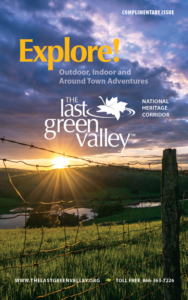
Here at TLGV our job is to keep this place extraordinary, and one of the ways we do it is…
Problem displaying Facebook posts.
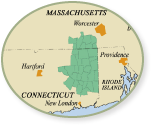
35 Towns In The Last Green Valley
in Eastern Connecticut and South-Central Massachusetts
CLICK on a town and EXPLORE
Ashford - Brimfield - Brooklyn - Canterbury - Chaplin - Charlton - Coventry - Dudley - East Brookfield - Eastford - Franklin - Griswold - Hampton - Holland - Killingly - Lebanon - Lisbon - Mansfield - Norwich - Oxford - Plainfield - Pomfret - Preston - Putnam - Scotland - Southbridge - Sprague - Sterling - Sturbridge - Thompson - Union - Voluntown - Webster - Windham - Woodstock